Trusted Veterinary CareFor Pets Who Feel Like Family
At Antrim Veterinary Hospital, we’re committed to providing trusted, personalized care for every pet that walks through our doors in Taneytown, MD.
Compassionate Care for Pets at Every Stage of Life
Our care philosophy centers on comfort, trust, and personalized attention for every pet.

Gentle, Fear-Free Handling
We take a patient-centered approach that keeps pets calm, comfortable, and supported during every visit.

Clear, Honest Communication
Our team explains every step of your pet’s care so you feel informed, confident, and included in every decision.
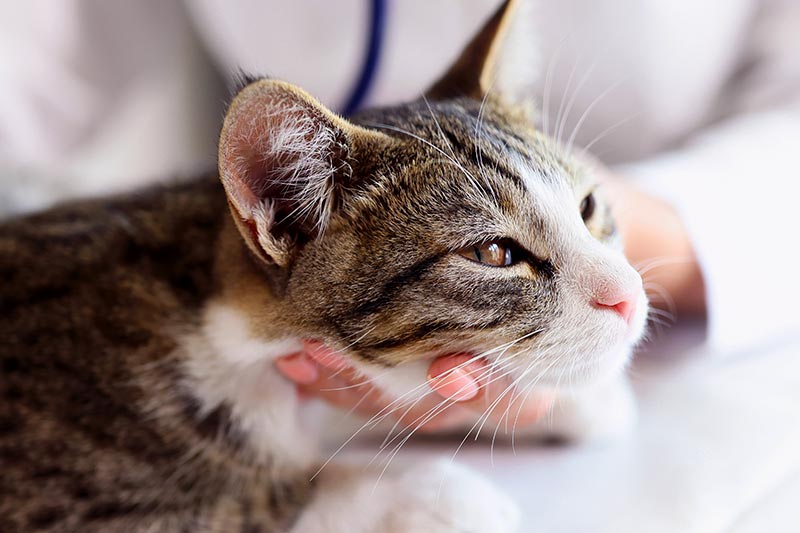
Personalized, Dedicated Attention
We take the time to understand your pet’s unique needs and tailor our care to what supports them best.
Antrim Veterinary Hospital
A Partner in Your Pet’s Health
We believe your pet deserves care that is thorough, thoughtful, and personalized to their individual needs. Our team takes the time to listen, understand your concerns, and offer clear guidance so you can make confident decisions about your pet’s health. We are committed to creating a supportive experience that strengthens the bond between you, your pet, and our veterinary team.
- ZCompassionate, client-focused care
- ZTrusted guidance from an experienced team
- ZA welcoming environment for pets and families
Dedicated Veterinary Support for Happy, Healthy Pets
At Antrim Veterinary Hospital, we create a comfortable experience that supports both pets and the people who love them. Explore how we care for your entire family.
Wellness & Preventative Care
Our veterinarians provide comprehensive exams and proactive care plans to support lifelong health.

Veterinary Dentistry
We offer professional dental care to protect your pet’s oral health and overall well-being.
Veterinary Surgery
Our team provides skilled surgical care with a strong focus on safety, comfort, and recovery.
Meet Our Dedicated Team
Our dedicated team is here to deliver exceptional veterinary medicine with compassion, integrity, and a genuine love for animals. From routine wellness visits to more complex medical needs, we take the time to listen, support, and guide you through every step of your pet’s care. We are honored to be your trusted partners in keeping your pets healthy and thriving.
You and Your Pet Deserve Exceptional Care
We strive to create a warm, supportive environment where every pet receives personalized treatment. Clients choose Antrim because we take the time to listen, explain, and help.

Antrim specializes in cat care and has always advised me about preventive care for my kitties in order to offset future health issues. The staff are friendly, sensitive, and caring in the handling of my pets. I always leave well-informed and confident that my pets are well cared for.
Diane J.
I have been using Antrim for years, even moving to another state. They are so helpful, thorough, and they truly care about the well-being of all the animals they treat as well as the hooman counterparts!! They are also reasonably priced and have never tried to push more than necessary, and they help where and when they can. The staff is always so pleasant and helpful as well. We love Antrim!!
Jan N.
I’m so satisfied with my dog’s experience at Antrim Veterinary. The staff were great, and the doctor was so thorough and spot on in his assessment. My dog was itching horribly for two months, and with his tests and examinations, the correct meds were given, and my dog had immediate relief. I’m so happy and will be moving all of my pets here. The best experience!